white buddha cave

navigate by keyword : 5th ancient architecture art asia belief big buddha carving cave century china chinese civilization crafts culture datong grottoes heritage high history look love millennium mottled mountain nworld panoramic pattern positive prayer province religion ruins sakyamuni sculpture seated shanxi sitting statue stone texture traditional travel unesco visitor yungang zen

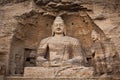
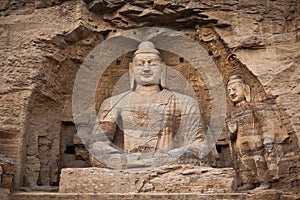
White buddha cave Royalty Free Stock Photo
White statues of Buddha in cave. Royalty Free Stock Photo
White buddha at the cave of Pindaya Royalty Free Stock Photo
Golden Buddha and white Pagodas amulet group Enshrined on the rock in Khao Luang Cave. Royalty Free Stock Photo
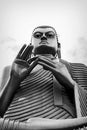
Buddha statue at Dambulla cave golden temple . Sri Lanka. Black and white photo Royalty Free Stock Photo
White buddha cave
Black and white phot of carving of Buddha in the cave of Ajanta Royalty Free Stock Photo
Buddha statue in cave in Chiang Rai at Wat Rong Khun or the white temple Royalty Free Stock Photo
Buddha statue at Dambulla cave golden temple . Sri Lanka. Black and white photo Royalty Free Stock Photo
Black and white phot of carving of Buddha in the cave of Ajanta Royalty Free Stock Photo
White buddha cave of Yungang grottoes Cave 20 (460-470A.D.)rnA statue of seated sakyamuni, 13.7 metres high. This buddha, with his plump face and broad shoulders, is a typical example of the sculptural art of the Yungang caves. A standing buddha on the east side looks dignified in a kasaya.rnThe Yungang grottoes, in Datong city, Shanxi province,China. with their 252 caves and 51,000 statues, represent the outstanding achievement of Buddhist cave art in China in the 5th and 6th centuries. The Five Caves created by Tan Yao, with their strict unity of layout and design, constitute a classical masterpiece of the first peak of Chinese Buddhist art.rnThe Yungang cave art represent the successful fusion of Buddhist religious symbolic art from south and central Asia with Chinese cultural traditions, starting in the 5th century CE under Imperial auspices.rn


Stockphotos.ro (c) 2025. All stock photos are provided by Dreamstime and are copyrighted by their respective owners.