lion gate mycenae greece
|
||||||||||||||
|
|
|
||||||||||||
|
||||||||||||||




Stockphotos.ro (c) 2026. All stock photos are provided by Dreamstime and are copyrighted by their respective owners.
lion gate mycenae greece |
||||||||||||||||||||||||||||||||||||||||
| navigate by keyword : acropolis agamemnon age ancient antique antiquity archaeological archeology architecture argolid argolida argolis argos atreus attraction bronze building citadel civilization cyclopean entrance entry gate gateway gold golden greece greek heraldic historic history landmark lion mediterranean monument mycenae mycenaean mykenes old palace peloponnese peloponnesus relief ruins sculpture stone tourism touristic travel walls |
||||||||||||||||||||||||||||||||||||||||
|
||||||||||||||||||||||||||||||||||||||||
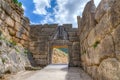
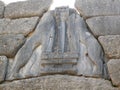
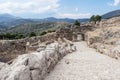
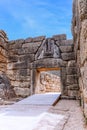
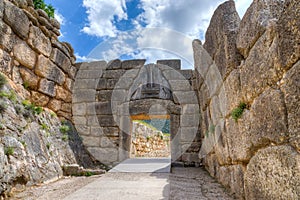
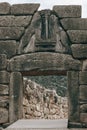
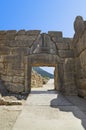
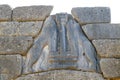
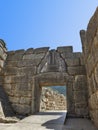
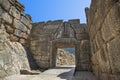
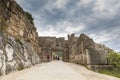
| The Lion Gate was the main entrance of the Bronze Age citadel of Mycenae, southern Greece. It was erected during the 13th century BC in the northwest side of the acropolis and is named after the relief sculpture of two lionesses in a heraldic pose that stands above the entrance. The Lion Gate is the sole surviving monumental piece of Mycenaean sculpture, as well as the largest sculpture in the prehistoric Aegean. |
||||||||||||||||||||||||||||||||||||||||
|
Stockphotos.ro (c) 2026. All stock photos are provided by Dreamstime and are copyrighted by their respective owners. |
||||||||||||||||||||||||||||||||||||||||