kushan
|
||||||||||||||
|
|
|
||||||||||||
|
||||||||||||||





Stockphotos.ro (c) 2025. All stock photos are provided by Dreamstime and are copyrighted by their respective owners.
kushan |
||||||||||||||||||||||||||||||||||||||||
| navigate by keyword : tradition taxila syncretism stupa stone statue spirituality site serenity sculpture religion relic reassurance philosophy peshawar pakistan museum monument meditation legacy kushan iconography icon history heritage hellenistic grecoroman gandhara faith excavation era dharmarajika culture craftsmanship civilization buddhist buddha bodhisattva asia artifact art archaeology antiquity ancient |
||||||||||||||||||||||||||||||||||||||||
|
||||||||||||||||||||||||||||||||||||||||
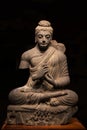
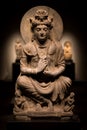
| Gandhara sculpture from the Kushan era depicting a standing Buddha. Carved from gray schist, it showcases Hellenistic influences with detailed drapery and hair. The Buddha has a serene expression, an ushnisha (cranial protuberance), and elongated earlobes. A halo with intricate patterns surrounds the head, signifying divinity. The sculpture embodies the syncretism of Greek and Buddhist artistic traditions prevalent in the Gandhara region, which is now in modern-day Pakistan and Afghanistan.Taxila, Pakistan, September 11 2025 |
||||||||||||||||||||||||||||||||||||||||
|
Stockphotos.ro (c) 2025. All stock photos are provided by Dreamstime and are copyrighted by their respective owners. |
||||||||||||||||||||||||||||||||||||||||