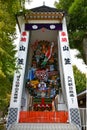
hakata gion yamakasa festival fukuoka city japan
|
||||||||||||||
|
|
|
||||||||||||
|
||||||||||||||





Stockphotos.ro (c) 2025. All stock photos are provided by Dreamstime and are copyrighted by their respective owners.
hakata gion yamakasa festival fukuoka city japan |
||||||||||||||||||||||||||||||||||||||||
| navigate by keyword : ancient annual antique art artistic arts artwork asia asian city crafts craftsmanship cultural culture festival festivities floats folk fukuoka gion guardian hakata hand handicraft heritage historic historical history japan japanese jinja kushida landmark made monument old oriental religion religious sculpture sculptures shint spirit statue statues temple tradition traditional worship yamakasa matsuri |
||||||||||||||||||||||||||||||||||||||||
|
||||||||||||||||||||||||||||||||||||||||
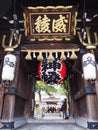
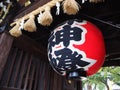
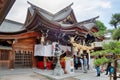
| The Hakata Gion Yamakasa festival dates back around 770 years and it is an annual festival associated with Kushida Jinja, a ShintÃ
 shrine housing the guardian spirit of Fukuokaââ¬â¢s old Hakata district.
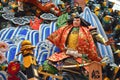
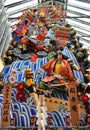
The floats, called Yamakasa, are divided into two groups. The Kakiyama are the smaller, carryable floats, that are raced through the town, while the Kazariyama are stationary floats, that are built up to 13 metres high and often depict historic or mythical events of Japanese culture. Originally the Kakiyama and Kazariyama were one and the same, with the large floats being carried through the city. However the Yamakasa were split up in 1898 when the electrical power lines in Hakata became too common for large Yamakasa to be carried through the streets. |
||||||||||||||||||||||||||||||||||||||||
|
Stockphotos.ro (c) 2025. All stock photos are provided by Dreamstime and are copyrighted by their respective owners. |
||||||||||||||||||||||||||||||||||||||||