gnetophyta
|
||||||||||||||
|
|
|
||||||||||||
|
||||||||||||||







Stockphotos.ro (c) 2025. All stock photos are provided by Dreamstime and are copyrighted by their respective owners.
gnetophyta |
||||||||||||||||||||||||||||||||||||||||
| navigate by keyword : africa african afrikaans angola cones damara desert endemic fossil genus gnetophyta gymnosperm herero insects kharos khurub leaf leaves living mirabilis monotypic nama namib namibia natural nature nyanka odontopus onyanga plant probergrothius pyrrhocoridae seeds sexpunctatus tree tweeblaarkanniedood welwitschia welwitschiaceae welwitschiales wild |
||||||||||||||||||||||||||||||||||||||||
|
||||||||||||||||||||||||||||||||||||||||
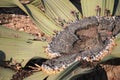
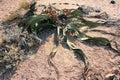
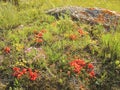
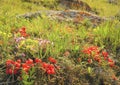
| Welwitschia is a monotypic gymnosperm genus, comprising solely the very distinct Welwitschia mirabilis. The plant is commonly known simply as Welwitschia, and has various common names in local languages, for example kharos or khurub in Nama, tweeblaarkanniedood in Afrikaans, nyanka in Damara, and onyanga in Herero. It is the only genus of the family Welwitschiaceae and order Welwitschiales, in the division Gnetophyta. Informal sources commonly refer to the plant as a living fossil.[2][3] Welwitschia mirabilis is endemic to the Namib desert within Namibia and Angola. The insects on the plant are Pyrrhocoridae: Odontopus sexpunctatus. The genus is also known as Probergrothius. |
||||||||||||||||||||||||||||||||||||||||
|
Stockphotos.ro (c) 2025. All stock photos are provided by Dreamstime and are copyrighted by their respective owners. |
||||||||||||||||||||||||||||||||||||||||