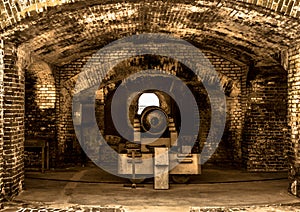
fort sumter famous cannon

navigate by keyword : 1861 abraham africans america april attack attacked battlefields beauregard blockade cannon carolina catalysis century charleston civil colonel confederate conflict defense development education enslaved famous federal fire fired forces foreign fort gadsden gen harbor historic history hundreds incorporates infantry interprets invasion island lee liberty lincoln military modified monument monuments morning moultrie museums nation national palmetto parks people person pierre places point quarantine robert rock roots serve served shots soldiers south states stations statues stories sumter technology troops union united war warfare

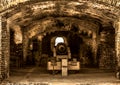
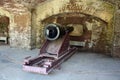
Fort Sumter Famous Cannon Royalty Free Stock Photo
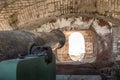
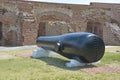
Civil War Cannon at Fort Sumter, South Carolina Royalty Free Stock Photo
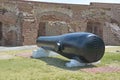
Civil War Cannon at Fort Sumter Royalty Free Stock Photo
Civil War Cannon at Fort Sumter, South Carolina - vintage edit Royalty Free Stock Photo
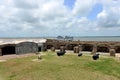
Cannon in fort Sumter is a sea fort in Charleston Royalty Free Stock Photo
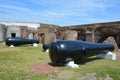
Canon Fort Sumter Royalty Free Stock Photo
Fort Sumter Famous Cannon
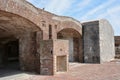
Fort Sumter Royalty Free Stock Photo
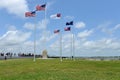
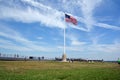
Flags flying over Fort Sumter - Charleston SC Royalty Free Stock Photo
Canon Fort Sumter Royalty Free Stock Photo
Fort Sumter Royalty Free Stock Photo
Canon Fort Sumter Royalty Free Stock Photo
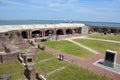
Fort Sumter Royalty Free Stock Photo
Fort Sumter National Monument incorporates several sites around Charleston Harbor, which tell the unique stories of the people and places that shaped the United States of America. Confederate forces fired the first shots of the Civil War upon Federal troops at Fort Sumter at 4:30 a.m. on April 12, 1861. The roots of that conflict are buried deep within the stories of the development of the United States. Fort Sumter would continue to serve as the focal point in Charleston throughout the Civil War. Sullivan's Island has long served as Charleston Harbor's first line of defense against disease or foreign invasion. Quarantine stations checked every person that came into the harbor, including enslaved Africans. Later a palmetto log fort was built by Colonel Moultrie and the Second South Carolina Infantry. This fort came to be known as Fort Moultrie, and was replaced and modified as technology and warfare changed through the mid-twentieth century. The Fort Sumter Visitor Education Center at Liberty Square sits on the site of Gadsden's Wharf, where hundreds of thousands of enslaved Africans were brought into the United States. Today the site interprets the causes and catalysis of the Civil War and the results of that war on the nation.


Stockphotos.ro (c) 2025. All stock photos are provided by Dreamstime and are copyrighted by their respective owners.