church saint sebastian rome italy

navigate by keyword : 3rd 4th ancient antica appia architecture basilica built catacombs catacumbas century church dedicated details europe first half italian italy landmark martyr monument name originally outside popular refers religion religious roman rome ruin ruins saint san sculpture sculptures sebastian sebastiano statue statues via view villa walls was which

Church of Saint Sebastian in Rome, Italy Royalty Free Stock Photo
Church of Saint Sebastian in Rome, Italy
Church of Saint Sebastian in Rome, Italy Royalty Free Stock Photo
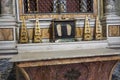
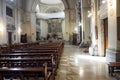
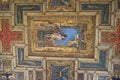
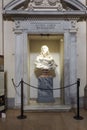
Details of the church of Saint Sebastian outside the walls, or San Sebastiano ad Catacumbas Saint Sebastian at the Catacombs on the via Appia Antica in Rome, Italy. Built originally in the first half of the 4th century, the basilica is dedicated to St. Sebastian, a popular Roman martyr of the 3rd century. The name ad catacumbas refers to the catacombs of St Sebastian, over which the church was built, while `fuori le mura` refers to the fact that the church is built outside the Aurelian Walls, and is used to differentiate the basilica from the church of San Sebastiano al Palatino on the Palatine Hill. The current edifice is largely a 17th-century construction, commissioned by Cardinal Scipione Borghese in 1609 from Flaminio Ponzio and, after Ponzio`s death in 1613, entrusted to Giovanni Vasanzio, who completed it.


Stockphotos.ro (c) 2025. All stock photos are provided by Dreamstime and are copyrighted by their respective owners.