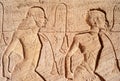
abu simbel temple detail
|
||||||||||||||
|
|
|
||||||||||||
|
||||||||||||||




Stockphotos.ro (c) 2025. All stock photos are provided by Dreamstime and are copyrighted by their respective owners.
abu simbel temple detail |
||||||||||||||||||||||||||||||||||||||||
| navigate by keyword : abu africa ancient archaeology archeology architecture building carving celebrate civilization colossus construct culture death desert dynasty egypt egyptian egyptology enormous excavation exterior famous god great hathor head hieroglyph hieroglyphic historic history holiday kadesh king monument nasser old pharaoh rameses ramesses ramses reign relief religion religious rock ruin sacred sanctuary sandstone sculpture simbel statue stone symbol temple tomb tourism tourist travel unesco visit |
||||||||||||||||||||||||||||||||||||||||
|
||||||||||||||||||||||||||||||||||||||||
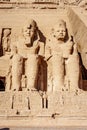
| Abu Simbel is an archaeological site comprising two massive rock temples in Nubia, southern Egypt on the western bank of Lake Nasser about 290 km southwest of Aswan. It is part of the UNESCO World Heritage Site known as the Nubian Monuments, which run from Abu Simbel downriver to Philae (near Aswan). The twin temples were originally carved out of the mountainside during the reign of Pharaoh Ramesses II in the 13th century BC, as a lasting monument to himself and his queen Nefertari, to commemorate his alleged victory at the Battle of Kadesh, and to intimidate his Nubian neighbors. |
||||||||||||||||||||||||||||||||||||||||
|
Stockphotos.ro (c) 2025. All stock photos are provided by Dreamstime and are copyrighted by their respective owners. |
||||||||||||||||||||||||||||||||||||||||