volcano rano kau kao the largest crater rapa nui easter island

navigate by keyword : basalt basaltic body caldeira cliffs climate cone crater diameter easter endemic environment eroded erosion eruption explosion extinct flow freshwater hanga igneous inner isla island kao kari lake lava materials micro national native natural nui obiian orongo park pascua pumice pyroclastic rainwater rano ranu rapa rapanui reeds reintroduced relict roa rocks sea sediments slope steep stone stored toromiro totora trachyte tree violent vocanic volcano water workers

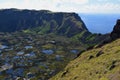
Volcano Rano Kau/ Rano Kao, the largest volcano crater in Rapa Nui Easter Island Royalty Free Stock Photo
   
   
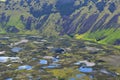
Volcano Rano Kau/ Rano Kao, the largest volcano crater in Rapa Nui Easter Island
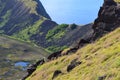
Volcano Rano Kau/ Rano Kao, the largest volcano crater in Rapa Nui Easter Island Royalty Free Stock Photo
   
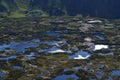
Volcano Rano Kau/ Rano Kao, the largest volcano crater in Rapa Nui Easter Island Royalty Free Stock Photo
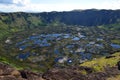
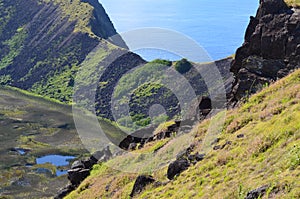
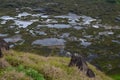
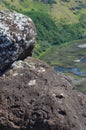
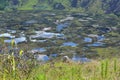
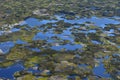
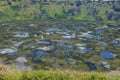
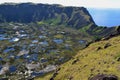
Rano Kau, also known as Rano Kao, has a crater lake which is one of the island`s only three natural bodies of fresh water. It is also is the largest volcano on Easter Island – Rapa Nui. The word Rano, in the Rapanui language, is used to designate the volcanoes ine which water is stored. The word Kau has several meanings such as “abundance of water” and “large, broad”. The volcanic cone is largely surrounded by water, and much of it has been eroded back to form high sea cliffs which at one point te kari kari have started to bite into the crater wall. Rano Kau is in the world heritage site of Rapa Nui National Park and gives its name to one of the seven sections of the park. The principal archaeological site on Rano Kau is the ruined ceremonial village of Orongo which is located at the point where the sea cliff and inner crater wall converge. As well as basalt, it contains several other igneous rocks including obian for which it was one of the major sources for the island`s stoneworkers and pumice. The crater is almost a mile across and has its own micro climate. Sheltered from the winds that wet most of the rest of the island, figs and vines flourish at Rano Kau. The inner slope was the site of the last toromiro tree in the wild until the specimen was chopped down for firewood in 1960, but thanks to its reproduction in several botanical gardens of Europe, it could be reintroduced again in the island.


Stockphotos.ro (c) 2025. All stock photos are provided by Dreamstime and are copyrighted by their respective owners.