traditional gers mongolia
|
||||||||||||||
|
|
|
||||||||||||
|
||||||||||||||






Stockphotos.ro (c) 2026. All stock photos are provided by Dreamstime and are copyrighted by their respective owners.
traditional gers mongolia |
||||||||||||||||||||||||||||||||||||||||
| navigate by keyword : adventure ancient architecture assembly attraction beautiful built colorful countryside creative culture discover dome festival field forest framing ger gers grass hill historic hostel house khovsgol lake landscape latticework monasteries mongolia mongolian mountain naadam nomads possibly posts roof scenery spectacular spreading street structure supporting tarpaulin tension tent tourism tourist tourists traditional travel trekking turkic valley wandering watching wood wooden yurt yurts |
||||||||||||||||||||||||||||||||||||||||
|
||||||||||||||||||||||||||||||||||||||||
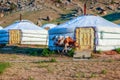
| A traditional yurt (from Turkic) or ger (Mongolian) is a portable, round tent covered with skins or felt used as a dwelling by nomads in the steppes of Central Asia. The structure comprises an angled assembly or latticework of pieces of wood or bamboo for walls, a door frame, ribs (poles, rafters), and a wheel (crown, compression ring) possibly steam bent. The roof structure is often self supporting but large yurts may have interior posts supporting the crown. The top of the wall of self supporting yurts is prevented from spreading by means of a tension band which opposes the force of the roof ribs. Modern yurts may be permanently built on a wooden platform and use modern materials such as steam bent wooden framing or metal framing, canvas or tarpaulin, Plexiglas dome, wire rope, or radiant insulation |
||||||||||||||||||||||||||||||||||||||||
|
Stockphotos.ro (c) 2026. All stock photos are provided by Dreamstime and are copyrighted by their respective owners. |
||||||||||||||||||||||||||||||||||||||||