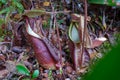
there are several variations the size nepenthes rafflesiana pouch wild |
||||||||||||||||||||||||||||||||||||||||
| navigate by keyword : carnivorous plants pitcher insectivorous modified leaves traps digestion prey nutrient absorption unique adaptations borneo malaysia sumatra southeast asia tropical rainforests diversity species morphology camouflage symbiotic relationships carnivory evolution biodiversity plant kingdom botanical wonder ecological niche ecosystem conservation rare curious structures physiology nectar trap mechanisms hybridization fluid enzymes adaptation soil poor environments natural selection biomimicry research habitat charles darwin predatory leaf role fascinating flora behavior interactions insects |
||||||||||||||||||||||||||||||||||||||||
|
||||||||||||||||||||||||||||||||||||||||
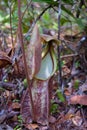
| The lower pitcher of Nepenthes rafflesiana, a type of pitcher plant, is a distinct leaf structure designed to trap insects and small creatures. Found closer to the ground, these pitchers are usually larger and exhibit a different shape compared to upper pitchers. They often have a wider opening and a more elongated form. The lower pitchers collect rainwater, which can dilute the digestive fluid inside. Similar to upper pitchers, they have slippery surfaces and downward-pointing hairs to prevent captured insects from escaping. These specialized traps help the plant supplement its nutrient intake from the prey it catches. |
||||||||||||||||||||||||||||||||||||||||
|
Stockphotos.ro (c) 2025. All stock photos are provided by Dreamstime and are copyrighted by their respective owners. |
||||||||||||||||||||||||||||||||||||||||