the theatre dionysus athens
|
||||||||||||||
|
|
|
||||||||||||
|
||||||||||||||




Stockphotos.ro (c) 2025. All stock photos are provided by Dreamstime and are copyrighted by their respective owners.
the theatre dionysus athens |
||||||||||||||||||||||||||||||||||||||||
| navigate by keyword : 1834 7th agora agoraios akamates athens been buildings century church condition dionysus doric due earlier george greek has hephaestus hephaisteion hill history intact its kolonos largely located maintained northwest orthodox peripteral remains saint served side standing temple theatre theseion top use varied wellpreserved |
||||||||||||||||||||||||||||||||||||||||
|
||||||||||||||||||||||||||||||||||||||||
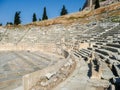
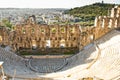
| he Theatre of Dionysus is an ancient theatre in Athens on the south slope of the Akropolis hill, built as part of the sanctuary of Dionysos Eleuthereus (Dionysus the Liberator). The first orchestra terrace was constructed on the site around the mid- to late-sixth century BC, where it hosted the City Dionysia. The theatre reached its fullest extent in the fourth century BC under the epistates of Lycurgus when it would have had a capacity of up to 17,000, and was in continuous use down to the Roman period. The theatre then fell into decay in the Byzantine era and was not identified, excavated and restored to its current condition until the nineteenth century. |
||||||||||||||||||||||||||||||||||||||||
|
Stockphotos.ro (c) 2025. All stock photos are provided by Dreamstime and are copyrighted by their respective owners. |
||||||||||||||||||||||||||||||||||||||||