tengai
|
||||||||||||||
|
|
|
|
||||||||||||
|
||||||||||||||



Stockphotos.ro (c) 2025. All stock photos are provided by Dreamstime and are copyrighted by their respective owners.
tengai |
||||||||||||||||||||||||||||||||||||||||
| navigate by keyword : asian bamboo beautiful beauty buddhism busker century characterized civilization classic clothes costume culture display edo egonnthey ethnic figure flourished flute folklore fuke harmony hat head hood instrument isolated japan japanese komuso komusou kyoto male man manifesting mannequin mendicant monks museum named period player playing representing school shakuhachi solo specific straw tengai tengui traditional type vertical who worn zen |
||||||||||||||||||||||||||||||||||||||||
|
||||||||||||||||||||||||||||||||||||||||
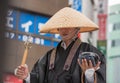
| This is museum mannequin figure representing the komusou or komuso. These were a group of Japanese mendicant monks of the Fuke school of Zen Buddhism who flourished during the Edo period of 1600ââ¬â1868. Komuso were characterized by a hood named a tengai or tengui worn on the head, manifesting the absence of specific ego.
They were also known for playing solo pieces on the shakuhachi a type of Japanese bamboo flute. as a method of attaining enlightenment, and as a healing modality. |
||||||||||||||||||||||||||||||||||||||||
|
Stockphotos.ro (c) 2025. All stock photos are provided by Dreamstime and are copyrighted by their respective owners. |
||||||||||||||||||||||||||||||||||||||||