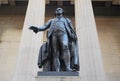
street corner sign and statue york

navigate by keyword : brenda building church city color colour culture destination destinations england europe european historic holiday kean leisure locations medieval minster monument northern peaceful photo protestant roman shambles shopping sightseeing symbol tourism touristic travel vacation visitor walls western world york yorkshire

Street sign at corner of 6th Avenue and 54th Street in New York City Royalty Free Stock Photo
New York City 37th Street Royalty Free Stock Photo
New York City Grand Central Terminal, Vanderbilt road sign, 42 street, Park Avenue, Pershing Square. Royalty Free Stock Photo
Manhattan Municipal typical historical brick building in Lower Manhattan, New York City, USA Royalty Free Stock Photo
Street corner sign and statue in York Royalty Free Stock Photo
Street corner sign and statue in York
Goddess of Wisdom Figure. York, England Royalty Free Stock Photo
People in Central Park watching a street show Royalty Free Stock Photo
George Washington Statue Royalty Free Stock Photo
A corner of Board way by Penn station Royalty Free Stock Photo
A person wear statue of liberty costum at time square Royalty Free Stock Photo
Bridge st, Road sign in NYC Royalty Free Stock Photo
York is a walled city, situated at the confluence of the Rivers Ouse and Foss in North Yorkshire, England. The city has a rich heritage and has provided the backdrop to major political events throughout much of its two millennia of existence. The city was founded by the Romans in 71 AD. They called it Eboracum, a name perhaps derived from one used by the British tribes who inhabited the area. The Roman Emperor Constantine was born in York. The Romans made it the capital of their Province of Britannia Inferior. At the end of Roman rule in 415 AD the settlement was taken over by the Angles and the city was renamed Eoforwic. It served as the capital of the Anglian Kingdom of Northumbria. When the Vikings captured the city in 866 AD they renamed it Jórvík and it became the capital of a wider kingdom of the same name covering much of Northern England. After the Norman conquest, the name York, which was first used in the 13th century, gradually evolved. In the Middle Ages York grew as a major wool trading centre and the ecclesiastical capital of the northern province of England. The Province of York is still one of the two Church of England ecclesiastical provinces, alongside that of Canterbury.


Stockphotos.ro (c) 2026. All stock photos are provided by Dreamstime and are copyrighted by their respective owners.