stouter

navigate by keyword : animal beak bill bird birds black branch bright builds ceylon clutch color cultivation dark distinguish distinguished eating eggs endemic family females finch flight flower forest forests found fruit glossy gracula green glossed head hill hole insect iris lankan large long males member myna nape nature neck nest normal pale passerine plant plumage position ptilogenys purple tinged sexes smaller southern species srilanka starling starlings stouter strong tree two typically wattles white wildlife wing yellow

Pigeon Guillemot Bill vintage illustration Royalty Free Stock Photo
Cute hedgehog porcupine animal design vector illustration Royalty Free Stock Photo
Woman standing on scales. Royalty Free Stock Photo
A house sparrow perched on a limb with blurred yellow green background Royalty Free Stock Photo
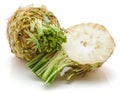
Celery Royalty Free Stock Photo
House Sparrow in New York State summer garden Royalty Free Stock Photo
Wildlife: A young Yellow-Header Caracara looks for food in the jungles of Panama Royalty Free Stock Photo
The Sri Lanka hill myna
Celery Royalty Free Stock Photo
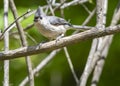
A horizontal of tufted titmouse bird perched on a limb with a green background Royalty Free Stock Photo
A lowkey horizontal portrait, photograph of gray tufted titmouse bird perched on a brown limb Royalty Free Stock Photo
Celery Royalty Free Stock Photo
Fresh green celery isolated on white Royalty Free Stock Photo
Celery Royalty Free Stock Photo
The Sri Lanka hill myna, Ceylon myna or Sri Lanka myna (Gracula ptilogenys), is a myna, a member of the starling family. This bird is endemic to Sri Lanka.This passerine is typically found in forest and cultivation. The Sri Lanka myna builds a nest in a hole. The normal clutch is two eggs.These 25 cm long birds have green-glossed black plumage, purple-tinged on the head and neck. There are large white wing patches, which are obvious in flight. The strong legs are bright yellow, and there are yellow wattles on the nape.The different shape and position of the wattles and the stouter orange-red bill distinguish this species from the Southern hill myna, which also occurs in Sri Lankan forests. The sexes are similar in plumage, but can be distinguished by iris color, which is pale in females and dark in males. Juveniles have a duller bill and smaller wattles, and are less glossy overall.Like most starlings, the Sri Lanka myna is fairly omnivorous, eating fruit, nectar and insects.


Stockphotos.ro (c) 2025. All stock photos are provided by Dreamstime and are copyrighted by their respective owners.