spine cushioning function intervertebral discs
|
||||||||||||||
|
|
|
|
||||||||||||
|
|
||||||||||||||



Stockphotos.ro (c) 2025. All stock photos are provided by Dreamstime and are copyrighted by their respective owners.
spine cushioning function intervertebral discs |
||||||||||||||||||||||||||||||||||||||||
| navigate by keyword : anatomy axis back backache bone cervical cervix chest coccyx column cushioning discs human intervertebral lumbar medical paralysis sacrum skeleton spine thoracic vertebra vertebrae vertebral |
||||||||||||||||||||||||||||||||||||||||
|
||||||||||||||||||||||||||||||||||||||||
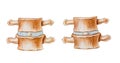
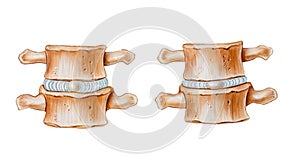
| The cushioning function of intervertebral discs. Shown are a normal disc (left) and an abnormal disc (right), whse nucleus has hardened to reduce its cushioning ability. The nucleus is the gelatinous substance inside the cartilaginous annulus that defines the disc's borders. Discs harden and lose cushioning as a result of age and/or injury. |
||||||||||||||||||||||||||||||||||||||||
|
Stockphotos.ro (c) 2025. All stock photos are provided by Dreamstime and are copyrighted by their respective owners. |
||||||||||||||||||||||||||||||||||||||||