the site locmariaquer 4000 corridor tomb grah
|
||||||||||||||
|
|
|
|
||||||||||||
|
||||||||||||||


Stockphotos.ro (c) 2025. All stock photos are provided by Dreamstime and are copyrighted by their respective owners.
the site locmariaquer 4000 corridor tomb grah |
||||||||||||||||||||||||||||||||||||||||
| navigate by keyword : 140 3000 according ade awr both brise broken built burial christ completed cornerstone couple date determinations directions domestic early ergrah faaae few fifth find found front indicates late legacysoul long menhir metres millennium monument mound networks originally pavement phase primary probably radiocarbon sixth south spreading stepped structure suggest surrounded that thelegacyofthesoul thephotoemotion this tomb tumulus was well were where whittle |
||||||||||||||||||||||||||||||||||||||||
|
||||||||||||||||||||||||||||||||||||||||
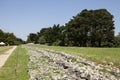
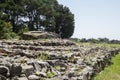
| A few metres from the broken menhir we find the tomb of Er-Grah, this monument is 140 metres long. It was probably originally built in the fifth millennium as a tumulus, spreading in both directions. A pavement surrounded the stepped structure. The cornerstone indicates that the monument was completed around 3000 B.C. According to AWR whittle: ââ¬Åin front of the south façade of the primary phase of the long burial mound of Er-Grah, near where the menhir of Brise originally was, a couple of domestic networks were found in a well. Radiocarbon determinations suggest a date in the late sixth and early fifth millennium before Christ. |
||||||||||||||||||||||||||||||||||||||||
|
Stockphotos.ro (c) 2025. All stock photos are provided by Dreamstime and are copyrighted by their respective owners. |
||||||||||||||||||||||||||||||||||||||||