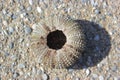
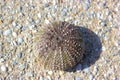
seashell and seaurchin shell

navigate by keyword : aquaculture closeup echinoidea isolated life macro marine mollusc mollusk object radial scallop seafood seashell seaurchin shell shellfish single souvenir urchin white

Seashell and Seaurchin shell Royalty Free Stock Photo
Seashell and Pebble Frame Royalty Free Stock Photo
Sea-urchin shell back view photo Royalty Free Stock Photo
Sea-urchin shell top view photo Royalty Free Stock Photo
High angle shot of a green sea urchin shell Royalty Free Stock Photo
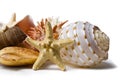
Seashell Still Life Royalty Free Stock Photo
Seashells in High Key Royalty Free Stock Photo
Seashell and Seaurchin shell
Partial purple sea urchin shell on beach Royalty Free Stock Photo
Seashells in High Key Royalty Free Stock Photo
Urchin Sea Shell Royalty Free Stock Photo
Seashell Still Life Royalty Free Stock Photo
The molluscs or mollusks[note 1] /ˈmɒləsks/ compose the large phylum of invertebrate animals known as the Mollusca. Around 85,000 extant species of molluscs are recognized. Molluscs are the largest marine phylum, comprising about 23% of all the named marine organisms. Numerous molluscs also live in freshwater and terrestrial habitats. They are highly diverse, not just in size and in anatomical structure, but also in behaviour and in habitat. The phylum is typically divided into 9 or 10 taxonomic classes, of which two are entirely extinct. Cephalopod molluscs, such as squid, cuttlefish and octopus, are among the most neurologically advanced of all invertebrates—and either the giant squid or the colossal squid is the largest known invertebrate species. The gastropods snails and slugs are by far the most numerous molluscs in terms of classified species, and account for 80% of the total. The scientific study of molluscs is called malacology.[2]


Stockphotos.ro (c) 2025. All stock photos are provided by Dreamstime and are copyrighted by their respective owners.