ribicola
|
||||||||||||||
|
|
|
||||||||||||
|
||||||||||||||

Stockphotos.ro (c) 2025. All stock photos are provided by Dreamstime and are copyrighted by their respective owners.
ribicola |
||||||||||||||||||||||||||||||||||||||||
| navigate by keyword : bare brown cronartium currant damaged dries foliage fungus infected mottled ribicola rust spores yellow |
||||||||||||||||||||||||||||||||||||||||
|
||||||||||||||||||||||||||||||||||||||||
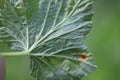
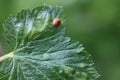
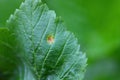
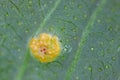
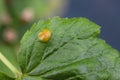
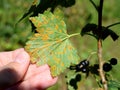
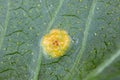
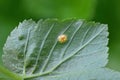
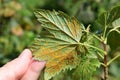
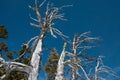
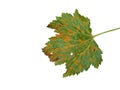
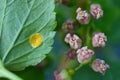
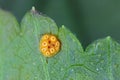
| On currant leaves, we often notice that they become mottled with yellow and brown spots. This is a sign that the currant is damaged by the fungus Cronartium ribicola. In July, yellow spots appear on the upper side of the currant leaves, and on the lower side, bright yellow beds of annual spores. Heavily infected foliage dries up and falls off, leaving the plants completely bare. |
||||||||||||||||||||||||||||||||||||||||
|
Stockphotos.ro (c) 2025. All stock photos are provided by Dreamstime and are copyrighted by their respective owners. |
||||||||||||||||||||||||||||||||||||||||