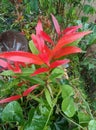
red shoot ornamental plant
|
||||||||||||||
|
|
|
||||||||||||
|
||||||||||||||



Stockphotos.ro (c) 2026. All stock photos are provided by Dreamstime and are copyrighted by their respective owners.
red shoot ornamental plant |
||||||||||||||||||||||||||||||||||||||||
| navigate by keyword : autumn blossom branch bright called change closely clove color crown daun deciduous emerged evergreen family flower food fruit garden genus green herb included jungle known leaf leaves look maple merah myrtaceae3 myrtifolium2 newly offices originating ornamental over plant produce pucuk red same shape shoot shoots shrub similar slowly species still syzygium time tree type used usually very wildflower will yards you |
||||||||||||||||||||||||||||||||||||||||
|
||||||||||||||||||||||||||||||||||||||||
| Pucuk merah or daun pucuk merah & x28;Syzygium myrtifolium& x29;[2] is a species of plant known as an ornamental plant originating from the genus Syzygium, family Myrtaceae.[3] The color of the newly emerged leaf shoots is bright red, so this plant is called Pucuk Merah. The color of the leaves will slowly change to green over time. Pucuk merah is a type of shrub that is usually used as an ornamental plant in yards, offices and so on and is still included in the same family as the clove plant. If you look closely, the shape of the crown and leaves are very similar to the clove plant. |
||||||||||||||||||||||||||||||||||||||||
|
Stockphotos.ro (c) 2026. All stock photos are provided by Dreamstime and are copyrighted by their respective owners. |
||||||||||||||||||||||||||||||||||||||||