rakats

navigate by keyword : ablution arabic congregational consisting experiencing faith friday historically islam liturgical muslim muslims nnsalat performed pillars prayer preceded rakats rakat rakah religion ritual ritualistic salt status the time worship

Grand Mosque in Penyengat Island Royalty Free Stock Photo
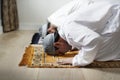
Muslim prayers in Sujud posture Royalty Free Stock Photo
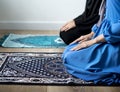
Muslim prayers in Tashahhud posture Royalty Free Stock Photo
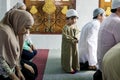
Muslim praying at the mosque Royalty Free Stock Photo
Muslim prayers in Takbiratul-Ihram posture Royalty Free Stock Photo
Muslim boy praying in Sujud posture Royalty Free Stock Photo
Muslim prayers in Takbiratul-Ihram posture Royalty Free Stock Photo
Prayer
Muslim man with prayer beads Royalty Free Stock Photo
Muslim prayers in Qiyaam posture Royalty Free Stock Photo
Muslim boy praying in Sujud posture Royalty Free Stock Photo
Muslim praying at the mosque Royalty Free Stock Photo
Muslim boy learning how to make Dua to Allah Royalty Free Stock Photo
Muslim men praying in Tashahhud posture Royalty Free Stock Photo
Salāt (prayer) is the practice of ritualistic prayer in Islam as opposed to dua, which is the Arabic word for supplication. Its importance for Muslims is indicated by its status as one of the Five Pillars of Islam. Salat is preceded by ritual ablution and usually performed five times a day. It consists of the repetition of a unit called a rakʿah (pl. rakaʿāt) consisting of prescribed actions and words. The number of obligatory (fard) rakaʿāt varies from two to four according to the time of day or other circumstances (such as Friday congregational worship, which has two rakats). Prayer is obligatory for all Muslims except those who are prepubescent, menstruating, or are experiencing bleeding in the 40 days after childbirth.


Stockphotos.ro (c) 2025. All stock photos are provided by Dreamstime and are copyrighted by their respective owners.