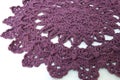
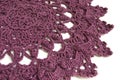
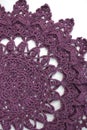
purple doily

navigate by keyword : background beautiful beauty close cloth color colorful cotton crochet crocheting dark doily dusty flower gorgeous handcraft handcrafting handmade hobby home household knit knitting lilac macro material needle pattern project purple soft textile warm wool woolen worsted yarn

purple doily Royalty Free Stock Photo
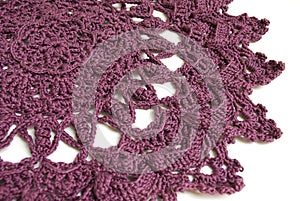
A close-up shot of a purple doily resting on a clean white surface Royalty Free Stock Photo
purple crochet doily Royalty Free Stock Photo
Valentine red, pink, purple, and white lace and doily hearts, horizontal Royalty Free Stock Photo
Valentine red, pink, purple, and white lace and doily hearts, vertical Royalty Free Stock Photo
purple doily
Seamless purple floral doily Royalty Free Stock Photo
Elegant Teacup with Purple Pansies and Lace Doily Royalty Free Stock Photo
Purple crochet doily Royalty Free Stock Photo
Pretty tea or coffee cup with silver trim filled with pink and purple paper hearts sitting on a white heart doily with a pink rose Royalty Free Stock Photo
Halloween cupcakes with ghost toppers and purple frosting on lace doily Royalty Free Stock Photo
Serene Purple Flowers Floating on Water with Lace Doily Royalty Free Stock Photo
Elegant Teacup Filled with Purple Pansies on Lace Doily Royalty Free Stock Photo
Gorgeous handmade dusty purple doily by crochet. Around the world, crochet became a thriving cottage industry, particularly in Ireland and northern France, supporting communities whose traditional livelihoods had been damaged by wars, changes in farming and land use, and crop failures. Women and sometimes even children would stay at home and create things such as clothes and blankets to make money. The finished items were purchased mainly by the emerging middle class. The introduction of crochet as an imitation of a status symbol, rather than a unique craft in its own right, had stigmatized the practice as common. Those who could afford lace made by older and more expensive methods disdained crochet as a cheap copy. This impression was partially mitigated by Queen Victoria, who conspicuously purchased Irish-made crochet lace and even learned to crochet herself. Irish crochet lace was further promoted by Mlle. Riego de la Branchardiere around 1842 who published patterns and instructions for reproducing bobbin lace and needle lace via crochet, along with many publications for making crocheted clothing from wool yarns. The patterns available as early as the 1840s were varied and complex.


Stockphotos.ro (c) 2025. All stock photos are provided by Dreamstime and are copyrighted by their respective owners.