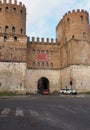
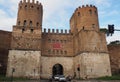
porta san sebastiano rome italy

navigate by keyword : ancient appia appian architecture astride aurelian beginning bestpreserved capena culture europe gate gates italian italy known landmark largest monument museum one originally originated passing porta queen regina roads roman rome ruin ruins san sat sebastiano servian today via viarum villa wall walls way which

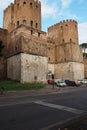
Porta San Sebastiano in Rome Royalty Free Stock Photo
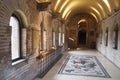
Museum of the Walls at the beginning of the Appian Way in Rome, Italy Royalty Free Stock Photo
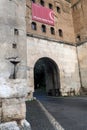
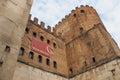
Porta San Sebastiano Royalty Free Stock Photo
Museum of the Walls at the beginning of the Appian Way in Rome, Italy Royalty Free Stock Photo
Porta San Sebastiano in Rome, Italy Royalty Free Stock Photo
Porta San Sebastiano in Rome, Italy
Museum of the Walls at the beginning of the Appian Way in Rome, Italy Royalty Free Stock Photo
Porta San Sebastiano in Rome, Italy Royalty Free Stock Photo
Museum of the Walls at the beginning of the Appian Way in Rome, Italy Royalty Free Stock Photo
Porta San Sebastiano at the beginning of the Appian Way today via di Porta San Sebastiano in Rome, Italy. The Porta San Sebastiano is the largest and one of the best-preserved gates passing through the Aurelian Walls in Rome. Originally known as the Porta Appia, the gate sat astride the Appian Way, the regina viarum queen of the roads, which originated at the Porta Capena in the Servian Wall. The original structure was constructed by Aurelian ca. AD 275 and included a double-arched opening surmounted by bow windows and two semi-cylindrical towers. The façade was faced with travertine. After a later restoration, the towers were enlarged, increased, and linked, through two parallel walls, to the preexisting Arch of Drusus.


Stockphotos.ro (c) 2025. All stock photos are provided by Dreamstime and are copyrighted by their respective owners.