porosome
|
||||||||||||||
|
|
|
|
||||||||||||
|
|
||||||||||||||

Stockphotos.ro (c) 2025. All stock photos are provided by Dreamstime and are copyrighted by their respective owners.
porosome |
||||||||||||||||||||||||||||||||||||||||
| navigate by keyword : secretory vesicle exocytose plasma membrane microbiology intracellular fluid model molecular phagocytosis cross lipoprotein channel ion histology retrieval discharge extracelular cargo communication signal energy waste antibody active messaging fusion docking chemical bulk internal biochemistry medical pinocytosis golgi apparatus porosome education anatomy endosome endocytosis graphic extracellular educational surface health structure transportation diagram system information microscopic phospholipid exocytosis tethering material receptor transport medicine vacuole process enzyme neurotransmitter mechanism vector cytoplasm hormone lipid cell exterior priming molecule science secretion biology protein release lysosome |
||||||||||||||||||||||||||||||||||||||||
|
||||||||||||||||||||||||||||||||||||||||
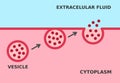
| Secretory vesicles are membrane-bound organelles found in cells, particularly in glandular cells, neurons, and certain other specialized cells. They play a crucial role in the process of exocytosis, where materials enclosed within the vesicles are released from the cell into the extracellular space. Secretory vesicles store various substances synthesized by the cell, such as hormones, enzymes, neurotransmitters, or other proteins destined for secretion. These vesicles are formed by budding off from the Golgi apparatus, a cellular organelle involved in processing and sorting proteins. |
||||||||||||||||||||||||||||||||||||||||
|
Stockphotos.ro (c) 2025. All stock photos are provided by Dreamstime and are copyrighted by their respective owners. |
||||||||||||||||||||||||||||||||||||||||