paramagnetic
|
||||||||||||||
|
|
|
||||||||||||
|
||||||||||||||









Stockphotos.ro (c) 2025. All stock photos are provided by Dreamstime and are copyrighted by their respective owners.
paramagnetic |
||||||||||||||||||||||||||||||||||||||||
| navigate by keyword : paramagnetism metal intrinsic ferromagnetic laboratory science force ferrimagnetism line concept diamagnetism design flux particle relationship graphic direction magnetic lines chemistry art positive technology velocity magnet magnetosphere coordination compounds gravity permanent phenomena principle electrons temperatures aligned molecular radioactivity coulomb 39aph39 law electric electrostatic pyrolytic graphite electromagnetic curieweiss manganese ferromagnetism study materials dipoles unaligned types magnetism external ferrimagnet paramagnetic attraction vector interaction elements repel diagram curie physics laws magnetization substances nickel magnetite parallel atomic measurement torque ferromagnet susceptibility expel diamagnet |
||||||||||||||||||||||||||||||||||||||||
|
||||||||||||||||||||||||||||||||||||||||
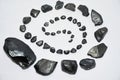
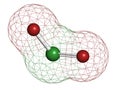
| Paramagnetic materials are substances that exhibit a weak attraction to magnetic fields due to the presence of unpaired electrons in their atomic or molecular orbitals. These materials have a positive magnetic susceptibility, meaning they become magnetized in the direction of an applied magnetic field but lose their magnetism when the field is removed. Diamagnetic materials are substances that exhibit a weak repulsion to magnetic fields due to the paired arrangement of electrons in their atomic or molecular orbitals. Unlike paramagnetic materials, which align with an external magnetic field, diamagnetic materials have a negative magnetic susceptibility and are repelled by magnetic fields. Ferromagnetic materials are substances that exhibit spontaneous magnetization and strong attraction to magnetic fields. These materials retain their magnetization even after the external magnetic field is removed, due to the alignment of magnetic domains within their structure. |
||||||||||||||||||||||||||||||||||||||||
|
Stockphotos.ro (c) 2025. All stock photos are provided by Dreamstime and are copyrighted by their respective owners. |
||||||||||||||||||||||||||||||||||||||||