oligomerization
|
||||||||||||||
|
|
|
|
||||||||||||
|
||||||||||||||




Stockphotos.ro (c) 2025. All stock photos are provided by Dreamstime and are copyrighted by their respective owners.
oligomerization |
||||||||||||||||||||||||||||||||||||||||
| navigate by keyword : rage oligomerization hexamer membrane receptor advanced glycosylation immunoglobulin diabetes inflammation tumour invasion cancer aggregation alzheimer 039 disease dementia amyloid plaque biological degenerative plaques aging cell protein molecules degeneration mouse active form ligand binding product specific belongs superfamily involved believed play essential role signal transduction position conformation transmembrane intracellular domains assumed |
||||||||||||||||||||||||||||||||||||||||
|
||||||||||||||||||||||||||||||||||||||||
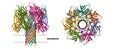
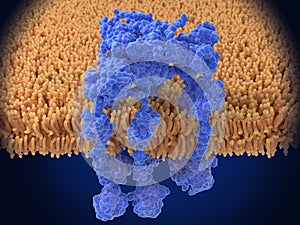
| RAGE (Advanced glycosylation end product-specific receptor) belongs to the immunoglobulin superfamily and is involved in diabetes, Alzheimer's disease, inflammation and tumour invasion. Oligomerization of RAGE is believed to play an essential role in signal transduction. The position and conformation of the transmembrane and intracellular domains is assumed |
||||||||||||||||||||||||||||||||||||||||
|
Stockphotos.ro (c) 2025. All stock photos are provided by Dreamstime and are copyrighted by their respective owners. |
||||||||||||||||||||||||||||||||||||||||