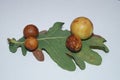
oak gall apple parasitic wasp
|
||||||||||||||
|
|
|
||||||||||||
|
||||||||||||||



Stockphotos.ro (c) 2026. All stock photos are provided by Dreamstime and are copyrighted by their respective owners.
oak gall apple parasitic wasp |
||||||||||||||||||||||||||||||||||||||||
| navigate by keyword : food leaf wood produce invertebrate animal carving plant art flower insect dessert tree branch dish hand wildlife iron oak gall apple parasitic wasp galls hang stem rounded growths filled spongy mass single larva located hard seed like cell center indicate presence grows point emerges high tanic acid tannic used chinese medicine practitioners found profusely oaks grow harm |
||||||||||||||||||||||||||||||||||||||||
|
||||||||||||||||||||||||||||||||||||||||
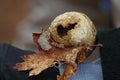
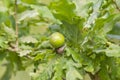
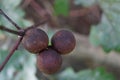
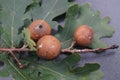
| Oak galls are also called Apple Galls. They hang from a leaf stem much like an apple. They are rounded growths filled with a spongy mass that indicate an insect presence. A single wasp larva is located in the hard seed-like center. The gall grows and at some point, the wasp emerges. Oak galls are high in tannic acid and are used by some Chinese medicine practitioners. They can be found profusely where Oaks grow and don't usually harm the tree. |
||||||||||||||||||||||||||||||||||||||||
|
Stockphotos.ro (c) 2026. All stock photos are provided by Dreamstime and are copyrighted by their respective owners. |
||||||||||||||||||||||||||||||||||||||||