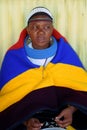
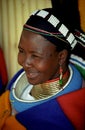
ndebele woman pilgrim rest south africa
|
||||||||||||||
|
|
|
|
||||||||||||
|
|
||||||||||||||


Stockphotos.ro (c) 2026. All stock photos are provided by Dreamstime and are copyrighted by their respective owners.
ndebele woman pilgrim rest south africa |
||||||||||||||||||||||||||||||||||||||||
| navigate by keyword : africa african alone ancient bead beauty black ceremony city coat colorful costume cultural culture cure decorated exotic famous festival head headdress healing historic history human leather lonely ndebele neck necklace pilgrim remote rock smile superstition swazi swaziland tourism tourist town tradition traditional travel traveler tribal tribe village visit visitor woman zulu |
||||||||||||||||||||||||||||||||||||||||
|
||||||||||||||||||||||||||||||||||||||||
| The Ndebele are part of the larger Nguni ethnic group. They are thought to have travelled from Natal to the Transvaal region, led by a chief called Musi and settling near Pretoria in about 1600. In the mid-seventeenth century, the nation split over a succession dispute between his two sons, Manala and Ndzundza. |
||||||||||||||||||||||||||||||||||||||||
|
Stockphotos.ro (c) 2026. All stock photos are provided by Dreamstime and are copyrighted by their respective owners. |
||||||||||||||||||||||||||||||||||||||||