mudcracks

navigate by keyword : also are claybearing content contracts crack cracked cracks desiccation dries formation formed known mud mudcracks muddy occurs reduction result sediment sedimentary soils structures water

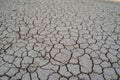
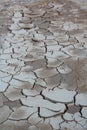
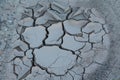
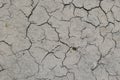
Mudcracks in a dry land Royalty Free Stock Photo
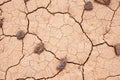
Desert Mudcracks On Playa Surface Royalty Free Stock Photo
Old Desert Mudcracks Royalty Free Stock Photo
Dried Ground With Mudcracks Royalty Free Stock Photo
Mudcracks in soil after the flood in cultivated wheat field, aerial shot from drone pov Royalty Free Stock Photo
view of intricate mudcracks revealing the harsh beauty of a drought-stricken landscape. Royalty Free Stock Photo
Mudcracks
Mudcracks (summer) Royalty Free Stock Photo
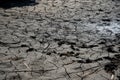
The mudcracks on bottom of Zayandeh river, Isfahan, Iran Royalty Free Stock Photo
Mudcracks Royalty Free Stock Photo
Textured Cracked Earth Surface with Dried Soil and Mudcracks in Arid Desert Landscape Royalty Free Stock Photo
Mudcracks Royalty Free Stock Photo
Mudcracks (summer) Royalty Free Stock Photo
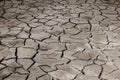
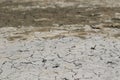
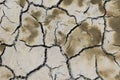
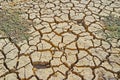
Mudcracks also known as mud cracks, desiccation cracks or cracked mud are sedimentary structures formed as muddy sediment dries and contracts. Crack formation also occurs in clay-bearing soils as a result of a reduction in water content. Naturally forming mudcracks start as wet, muddy sediment dries up and contracts. A strain is developed because the top layer shrinks while the material below stays the same size. When this strain becomes large enough, channel cracks form in the dried-up surface to relieve the strain. Individual cracks spread and join up, forming a polygonal, interconnected network. These cracks may later be filled with sediment and form casts over the base


Stockphotos.ro (c) 2025. All stock photos are provided by Dreamstime and are copyrighted by their respective owners.