men tol ancient monument cornwall
|
||||||||||||||
|
|
|
||||||||||||
|
||||||||||||||








Stockphotos.ro (c) 2026. All stock photos are provided by Dreamstime and are copyrighted by their respective owners.
men tol ancient monument cornwall |
||||||||||||||||||||||||||||||||||||||||
| navigate by keyword : 1000 2000 3000 about age ancient anomaly anywhere beginning between biological bronze came centimetres chronologically circular consist contrary cornwall could curious erosion figure find found granite hole how know labour late legacysoul little located mainly manual men monument most mysterious naturally neolithic nothing obviously origin period presenting produced remains result special spherical stone stones stop thelegacyofthesoul thephotoemotion three tol unknown vertical was well when where why within |
||||||||||||||||||||||||||||||||||||||||
|
||||||||||||||||||||||||||||||||||||||||
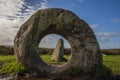
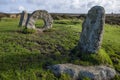
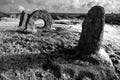
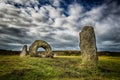
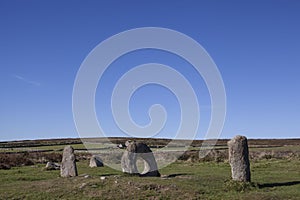
| This monument, or the remains we find of it, consist mainly of three vertical granite stones and a spherical stone. This stone is special, as it has a circular hole of 0.45 centimetres. It is unknown, obviously, if the origin of this the most curious figure was the result of manual labour or on the contrary produced by some biological erosion. Well it could be found anywhere presenting that anomaly naturally.
Little or nothing we know about this mysterious monument and when or how this stone came to stop where it is today. That is why it is located chronologically between the late Neolithic and the beginning of the bronze age. That is, within the period of 1000 years ââ¬â 2000-3000 B.C, the work which we can meet today would have been carried out. |
||||||||||||||||||||||||||||||||||||||||
|
Stockphotos.ro (c) 2026. All stock photos are provided by Dreamstime and are copyrighted by their respective owners. |
||||||||||||||||||||||||||||||||||||||||