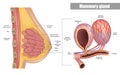
mammary gland

navigate by keyword : anatomy areola biomedical bloodvessels breast breastfeeding cells chest chestwall cuboidalcells duct fatty female gland hormones lactiferous lobules lveolia mammary milk muscle myoepithelial nipple nursing pectoralis sinuses skin tissue vesicles

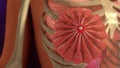
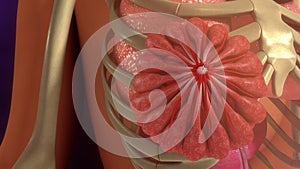
Mammary Gland Royalty Free Stock Photo
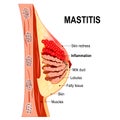
Mastitis. Cross-section of the mammary gland with inflammation o Royalty Free Stock Photo
Breast anatomy. Cross-section of the mammary gland. Royalty Free Stock Photo
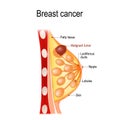
Breast cancer. Cross-section of the mammary gland with tumor Royalty Free Stock Photo
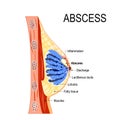
Abscess. Cross-section of the mammary gland with inflammation Royalty Free Stock Photo
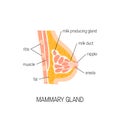
Vector diagram of mammary gland Royalty Free Stock Photo
Cow Mammary Gland Anatomy and Milk Duct Structure. Cross-Section of Bovine Udder with Alveoli, Milk Sinus and Blood Vessels Royalty Free Stock Photo
Mammary Gland
X-ray anatomy mammary gland Royalty Free Stock Photo
The mammary gland Royalty Free Stock Photo
Woman feels pain in breast, checking mammary gland, tightness symptoms of cancer Royalty Free Stock Photo
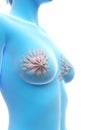
Female breast, mammary gland anatomy Royalty Free Stock Photo
Mammary gland flat line icon. Vector thin pictogram of female breast anatomy, outline illustration for medical clinic Royalty Free Stock Photo
Mastopathy. healthy and diseased mammary gland Royalty Free Stock Photo
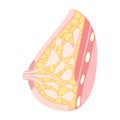
Anatomy of the female breast side view. Structure of the Milk ducts and Lobules of the mammary gland. Mammary Alveoli Royalty Free Stock Photo
The mammary gland is a gland located in the breasts of females that is responsible for lactation, or the production of milk. Both males and females have glandular tissue within the breasts; however, in females the glandular tissue begins to develop after puberty in response to estrogen release. Mammary glands only produce milk after childbirth. During pregnancy, the hormones progesterone and prolactin are released. The progesterone interferes with prolactin, preventing the mammary glands from lactating. During this time, small amounts of a pre-milk substance called colostrum are produced. This liquid is rich in antibodies and nutrients to sustain an infant during the first few days of life. After childbirth, progesterone levels decrease and the levels of prolactin remain raised. This signals the mammary glands to begin lactating. Each time a baby is breastfed the milk is emptied from the breast. Immediately afterward, the mammary glands are signaled to continue producing milk. As a woman approaches menopause, the time when menstruation stops, the tissues of the ductile system become fibrous and degenerate. This causes involution, or shrinkage, of the mammary gland, and thereafter the gland loses the ability to produce milk.


Stockphotos.ro (c) 2026. All stock photos are provided by Dreamstime and are copyrighted by their respective owners.