lilac flower growing tree

navigate by keyword : any beautiful beauty cool flower flowers generic green growing grows lilac pants pink plants pretty seeds that trees vegetation white

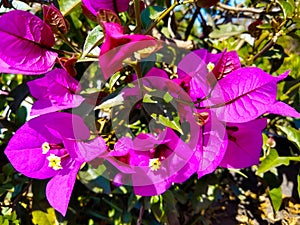
Beautiful pink fresh lilac flower heads growing on tree outside Royalty Free Stock Photo
Vibrant purple lilac flower growing on the branch of a flowering tree in a beautiful outdoor setting Royalty Free Stock Photo
Purple lilac flower growing in garden, before full bloom Royalty Free Stock Photo
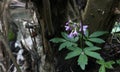
Beautiful lilac flowers growing on a tree trunk Royalty Free Stock Photo
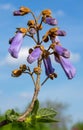
Fast growing tree Paulownia flower over blue sky with clouds. Royalty Free Stock Photo
A red flower growing on the tree. Royalty Free Stock Photo
Pink or purple lilac flower on the pipe-tree during spring. Royalty Free Stock Photo
Lilac flower growing on a tree
Fast growing tree Paulownia flower over blue sky with clouds. Royalty Free Stock Photo
Japanese Tree Lilac   822588 Royalty Free Stock Photo
Pink or purple lilac flower on the pipe-tree during spring. Royalty Free Stock Photo
The beautiful flower painting, painted on the wall, looks like a growing flower tree Royalty Free Stock Photo
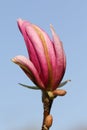
The flower of a beautiful Magnolia tree growing in a garden in the UK. Royalty Free Stock Photo
small violet Cercis siliquastrum flower growing in a tree trunk with a green background. Shallow depth of field Royalty Free Stock Photo
Japanese Tree Lilac   822595 Royalty Free Stock Photo
The flower is the characteristic reproductive structure of plants called spermatophytes or phanerogams. The function of a flower is to produce seeds through sexual reproduction. For plants, seeds are the next generation, and serve as the primary means through which species perpetuate and spread.nnAll spermatophytes have flowers that will produce seeds, but the internal organization of the flower is very different in the two main groups of spermatophytes: living gymnosperms and angiosperms. Gymnosperms may have flowers that gather in strobili, or the same flower may be a strobilus of fertile leaves. Note 1 On the other hand, a typical flower of angiosperm is composed of four types of structurally and physiologically modified leaves to produce and protect the gametes. Such modified or antiphilous leaves are the sepals, petals, stamens and carpels, and in the angiosperms the flower gives origin, after fertilization and by transformation of some of its parts, to a fruit that contains the seeds.


Stockphotos.ro (c) 2026. All stock photos are provided by Dreamstime and are copyrighted by their respective owners.