indonesia written tradition

navigate by keyword : alphabet ancient archeology culture history indonesia inscription java literacy manuscript museum solo tradition written

INDONESIA WRITTEN TRADITION Royalty Free Stock Photo
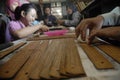
Batik artisans in Sukoharjo, Central Java, Indonesia. Royalty Free Stock Photo
INDONESIA WRITTEN TRADITION
INDONESIA WRITTEN TRADITION Royalty Free Stock Photo
Batik artisans in Sukoharjo, Central Java, Indonesia. Royalty Free Stock Photo
INDONESIA WRITTEN TRADITION Royalty Free Stock Photo
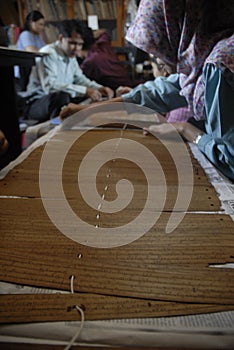
A librarian is cleaning ancient manuscript dated to 18th century ancient Java era. Written tradition in Indonesia has existed since the discovery of Yupa inscriptions originating from the 4th century. In a book titled Indonesian palaeography, de Casparis featuring inscriptions found in Indonesia since the 4th century until the 15th century complete with explanations and over aksaranya. Then in the 16-17 century literary tradition continues with different media, text originally written in stone, metal form of inscriptions, in the period 16-17 century text written on palm leaves or dluwang in manuscript form. Various writing and literacy area known as different, as hanacaraka, kaganga, ulu and so on. Likewise, the Arabic letters scattered and adjusted the sound in various regions in Indonesia that is known by different terms, such as Jawi, pegon, strike and so on.


Stockphotos.ro (c) 2026. All stock photos are provided by Dreamstime and are copyrighted by their respective owners.