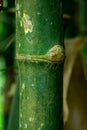
indian bamboos grass
|
||||||||||||||
|
|
|
||||||||||||
|
||||||||||||||







Stockphotos.ro (c) 2026. All stock photos are provided by Dreamstime and are copyrighted by their respective owners.
indian bamboos grass |
||||||||||||||||||||||||||||||||||||||||
| navigate by keyword : absence absent also are arrangement bamboo bamboos bambusoideae borrowed bundles causes columnar comes crosssection cylindrical dicotyledonous diverse dutch evergreen family flowering grass grasses group growth hollow instead internodal kannadan language large malay monocots origin originally other palms perennial plants poaceae portuguese probably rather regions scattered secondary stem stems subfamily tapering than uncertain usually vascular which wood woody word xylem |
||||||||||||||||||||||||||||||||||||||||
|
||||||||||||||||||||||||||||||||||||||||
| Bamboos are a diverse group of evergreen perennial flowering plants in the subfamily Bambusoideae of the grass family Poaceae. The origin of the word `bamboo` is uncertain, but it probably comes from the Dutch or Portuguese language, which originally borrowed it from Malay or Kannada.
In bamboo, as in other grasses, the internodal regions of the stem are usually hollow and the vascular bundles in the cross-section are scattered throughout the stem instead of in a cylindrical arrangement. The dicotyledonous woody xylem is also absent. The absence of secondary growth wood causes the stems of monocots, including the palms and large bamboos, to be columnar rather than tapering. |
||||||||||||||||||||||||||||||||||||||||
|
Stockphotos.ro (c) 2026. All stock photos are provided by Dreamstime and are copyrighted by their respective owners. |
||||||||||||||||||||||||||||||||||||||||