heliconia caribaea caribbean
|
||||||||||||||
|
|
|
|
||||||||||||
|
||||||||||||||







Stockphotos.ro (c) 2025. All stock photos are provided by Dreamstime and are copyrighted by their respective owners.
heliconia caribaea caribbean |
||||||||||||||||||||||||||||||||||||||||
| navigate by keyword : plant flower leaf tree garden jungle fruit tropics green vegetable vegetation branch evergreen heliconia species famous brightly colored bracts native america distinctive red yellow typically hanging claw like fashion flowers plants genus musa family musaceae zingiberales tropical differences growth habits share botanical characteristics shared ancestry grand cayman islands caribaea caribbean name striking vibrant pendant creating dramatic eye catching regions parts popular ornamental colorful long elegant inflorescences standout gardens |
||||||||||||||||||||||||||||||||||||||||
|
||||||||||||||||||||||||||||||||||||||||
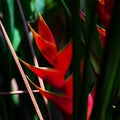
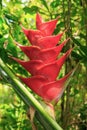
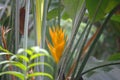
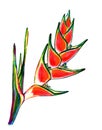
| Heliconia caribaea is renowned for its striking, brightly colored flower bracts, which display a vibrant combination of red and yellow. These bracts are often arranged in a pendant or drooping fashion, creating a dramatic, eye-catching appearance. Native to the tropical regions of Central America, the Caribbean, and parts of South America, this species is a popular ornamental plant. The plantâs distinctive, colorful bracts and long, elegant inflorescences make it a standout in tropical gardens. Heliconia caribaea, like the banana plant (genus Musa), belongs to the Musaceae family and the Zingiberales order, which also includes other tropical species such as ginger and plantains. Photographed in the Grand Cayman Islands. |
||||||||||||||||||||||||||||||||||||||||
|
Stockphotos.ro (c) 2025. All stock photos are provided by Dreamstime and are copyrighted by their respective owners. |
||||||||||||||||||||||||||||||||||||||||