grand ducal palace weimar
|
||||||||||||||
|
|
|
|
||||||||||||
|
||||||||||||||


Stockphotos.ro (c) 2025. All stock photos are provided by Dreamstime and are copyrighted by their respective owners.
grand ducal palace weimar |
||||||||||||||||||||||||||||||||||||||||
| navigate by keyword : 1774 1918 1933 19th architecture art artists bauhaus center century characters city classical classicism composers constitution cultural democratic ducal dukes eisenach enlightenment europe famous federal feininger franz friedrich german germany goethe gothic grand gropius henry heritage history johann kandinsky klee landmark leading lion liszt literary lyonel movement music neo palace paul period politics republic residence saxe schiller stadtschloss state steps structure thuringia tourism tourist tourists tower town van velde view von walter wassily weimar wolfgang writers |
||||||||||||||||||||||||||||||||||||||||
|
||||||||||||||||||||||||||||||||||||||||
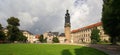
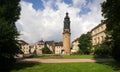
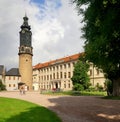
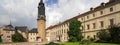
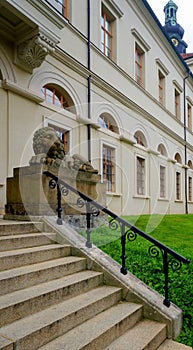
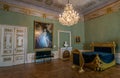
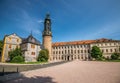
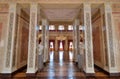
| The Neo-Classical structure of the Grand-Ducal Palace, after a fire, was rebuilt in 1774. It was the residence of the dukes of Saxe-Weimar and Eisenach. The city of Weimar in the federal state of Thuringia, Germany, is well known for its rich cultural heritage and its importance in German history. Weimar was a focal point of the German Enlightenment and home of the leading characters of the literary genre of Weimar Classicism, the writers Johann Wolfgang von Goethe and Friedrich Schiller. In the 19th century, famous composers like Franz Liszt made a music center of Weimar and later, artists and architects like Henry van de Velde, Wassily Kandinsky, Paul Klee, Lyonel Feininger and Walter Gropius came to the city and founded the Bauhaus movement. It also was the place where Germanys first democratic constitution was signed after the First World War, giving its name to the Weimar Republic period in German politics (1918ââ¬â1933). |
||||||||||||||||||||||||||||||||||||||||
|
Stockphotos.ro (c) 2025. All stock photos are provided by Dreamstime and are copyrighted by their respective owners. |
||||||||||||||||||||||||||||||||||||||||