galle fort sri lanka unesco world heritage
|
||||||||||||||
|
|
|
||||||||||||
|
||||||||||||||




Stockphotos.ro (c) 2025. All stock photos are provided by Dreamstime and are copyrighted by their respective owners.
galle fort sri lanka unesco world heritage |
||||||||||||||||||||||||||||||||||||||||
| navigate by keyword : archeological architectural architecture asia asian built centuries century cliff coast criterion dutch east ensemble exposition extensive field fort fortification fortifications galle grass heritage hill historic horizon illustrate illustrates important initial interaction landscape lanka making monuments one portuguese recognition recognized road rock ruins sea south southwestern sri terrain traditions underwent unesco unique walkway wall waterway world |
||||||||||||||||||||||||||||||||||||||||
|
||||||||||||||||||||||||||||||||||||||||
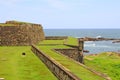
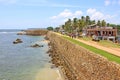
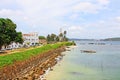
| The Galle Fort, or Dutch Fort as it is also known, is a fortification first built by the Portuguese on the Southwestern coast of Sri Lanka. The initial fortifications, which were built in the late 16th century, were quite basic. However, the fort underwent extensive modifications in the 17th century by the Dutch, making it one of the most important archeological, architectural and historic monuments to illustrate the European influence in South East Asia between the 16th and 19th centuries. According to a statement by UNESCO, the site was recognized as a World Heritage Site for its unique exposition of an urban ensemble which illustrates the interaction of European architecture and South Asian traditions from the 16th to the 19th centuries which is criterion number four for such recognition. |
||||||||||||||||||||||||||||||||||||||||
|
Stockphotos.ro (c) 2025. All stock photos are provided by Dreamstime and are copyrighted by their respective owners. |
||||||||||||||||||||||||||||||||||||||||