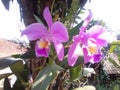
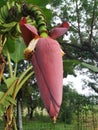
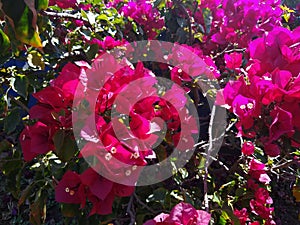
The flower is the characteristic reproductive structure of plants called spermatophytes or phanerogams. The function of a flower is to produce seeds through sexual reproduction. For plants, seeds are the next generation, and serve as the primary means through which species perpetuate and spread.nnAll spermatophytes have flowers that will produce seeds, but the internal organization of the flower is very different in the two main groups of spermatophytes: living gymnosperms and angiosperms. Gymnosperms may have flowers that gather in strobili, or the same flower may be a strobilus of fertile leaves. Note 1 On the other hand, a typical flower of angiosperm is composed of four types of structurally and physiologically modified leaves to produce and protect the gametes. Such modified or antiphilous leaves are the sepals, petals, stamens and carpels, and in the angiosperms the flower gives origin, after fertilization and by transformation of some of its parts, to a fruit that contains the seeds.
|