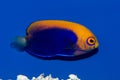
flameback angelfish centropyge acanthops
|
||||||||||||||
|
|
|
|
||||||||||||
|
|
||||||||||||||


Stockphotos.ro (c) 2025. All stock photos are provided by Dreamstime and are copyrighted by their respective owners.
flameback angelfish centropyge acanthops |
||||||||||||||||||||||||||||||||||||||||
| navigate by keyword : flameback angelfish centropyge acanthops also known african pygmy orangeback has striking contrasts blue orange yellow colors body predominately there broad bright swatch head along back tip dorsal fin caudal somewhat transparent which distinguishes brazilian fireball aurantonotusthe requires minimum gallon tank lots hiding places live rock grazing occasion fish may nip sps some species polyp corals reef aquariumthe diet should include spirulina marine algae high quality preparations mysis frozen shrimp other meaty foods diving scuba saltwater |
||||||||||||||||||||||||||||||||||||||||
|
||||||||||||||||||||||||||||||||||||||||
| The Flameback Angelfish, also known as the African Pygmy Angelfish or Orangeback Angelfish, has striking contrasts of blue and orange-yellow colors. While the body is predominately blue, there is a broad and bright orange to yellow swatch from the head along the back to the tip of the dorsal fin. The caudal fin is yellow and somewhat transparent, which distinguishes it from the Brazilian Flameback Angelfish (also known as the Fireball Angelfish - Centropyge aurantonotus).
The Flameback Angelfish requires a minimum of a 55 gallon tank with lots of hiding places and live rock for grazing. On occasion, this fish may nip at SPS and some species of polyp corals in the reef aquarium.
The diet of the Flameback Angelfish should include Spirulina, marine algae, high-quality angelfish preparations, mysis or frozen shrimp, and other meaty foods. |
||||||||||||||||||||||||||||||||||||||||
|
Stockphotos.ro (c) 2025. All stock photos are provided by Dreamstime and are copyrighted by their respective owners. |
||||||||||||||||||||||||||||||||||||||||