fire hydrant bangkok thailand

navigate by keyword : ancient architecture asia asian attraction background bangkok blue bright building capital center circle city cityscape constitution culture decoration democracy destination exterior famous fire freedom historical history hydrant kingdom landmark monument national outdoor park people public road scene sky soldier square statue street symbol thai thailand tourism tourist traffic travel urban view yellow

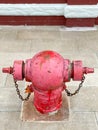
Typical red fire hydrant on sidewalk of Bangkok, Thailand Royalty Free Stock Photo
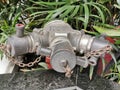
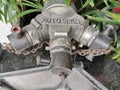
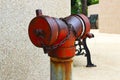
The water pipe pump for fire hydrant in case of emergency in the building Bangkok Thailand Royalty Free Stock Photo
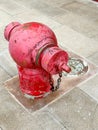
A red fire hydrant installed on footpath in Bangkok Royalty Free Stock Photo
Red water fire hydrant on the pavement in Bangkok, Thailand. Royalty Free Stock Photo
A red fire hydrant installed on footpath Royalty Free Stock Photo
Fire hydrant in bangkok Thailand
Red fire hydrant in the park. Royalty Free Stock Photo
Fire hydrant in bangkok Thailand Royalty Free Stock Photo
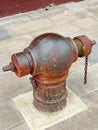
Old public fire hydrant on the footpath Royalty Free Stock Photo
The old red fire hydrant placed in the park Royalty Free Stock Photo
Fire hydrant Royalty Free Stock Photo
A fire hydrant is an active fire protection measure, and a source of water provided in most urban, suburban and rural areas with municipal water service to enable firefighters to tap into the municipal water supply to assist in extinguishing a fire. The concept of fire plugs dates to at least the 17th century. This was a time when firefighters responding to a call would dig down to the wooden water mains and hastily bore a hole to secure water to fight fires. The water would fill the hole creating a temporary well, and be transported from the well to the fire by bucket brigades or, later, by hand-pumped fire engines. The holes were then plugged with stoppers, normally redwood, which over time came to be known as fire plugs. The location of the plug would often be recorded or marked so that it could be reused in future fires. This is the source of the colloquial term fire plug still used for fire hydrants today. After the Great Fire of London in 1666, the city installed water mains with holes drilled at intervals, equipped with risers, allowing an access point to the wooden fire plugs from street level.


Stockphotos.ro (c) 2026. All stock photos are provided by Dreamstime and are copyrighted by their respective owners.