ebola virus anatomy
|
||||||||||||||
|
|
|
||||||||||||
|
||||||||||||||












Stockphotos.ro (c) 2026. All stock photos are provided by Dreamstime and are copyrighted by their respective owners.
ebola virus anatomy |
||||||||||||||||||||||||||||||||||||||||
| navigate by keyword : dangerous rotavirus micro medicine microbiology illness biology cancer disorder genetic bacterial risk radiation colour mobile phone human flow health digital threedimensional viral pain transmit germ people microorganism emergency plague ebola virus deadly red transmission white cable antibody shape shock contagion symptoms symptom rendering closeup laboratory hemorrhagic spreading antibodies outbreak bacteria medical infection background epidemic microscopic science blood disease render microbe cell sickness death virology vaccine structure valentine hospital bacillus microscope global fever isolated color biological |
||||||||||||||||||||||||||||||||||||||||
|
||||||||||||||||||||||||||||||||||||||||
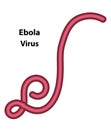
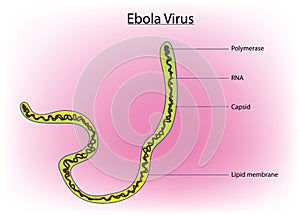
| The Ebola virus is a highly infectious and often deadly virus that causes severe illness in humans and other primates. It belongs to the family Filoviridae and was first identified in 1976 in simultaneous outbreaks in Nzara, South Sudan, and Yambuku, Democratic Republic of Congo. There are five known species of Ebola virus, four of which cause disease in humans: Ebola virus (Zaire ebolavirus), Sudan virus (Sudan ebolavirus), Bundibugyo virus (Bundibugyo ebolavirus), and Taï Forest virus (Taï Forest ebolavirus). The fifth species, Reston virus (Reston ebolavirus), has caused illness in nonhuman primates but has not been known to cause illness in humans. |
||||||||||||||||||||||||||||||||||||||||
|
Stockphotos.ro (c) 2026. All stock photos are provided by Dreamstime and are copyrighted by their respective owners. |
||||||||||||||||||||||||||||||||||||||||