divalent
|
||||||||||||||
|
|
|
||||||||||||
|
||||||||||||||





Stockphotos.ro (c) 2025. All stock photos are provided by Dreamstime and are copyrighted by their respective owners.
divalent |
||||||||||||||||||||||||||||||||||||||||
| navigate by keyword : alkaline atomic beryl beryllium brittle chemical chemistry combination divalent earth element elements gemstones lightweight metal minerals nucleosynthesis number periodic rare science stellar strong symbol table |
||||||||||||||||||||||||||||||||||||||||
|
||||||||||||||||||||||||||||||||||||||||
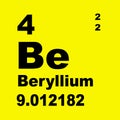
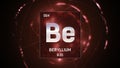
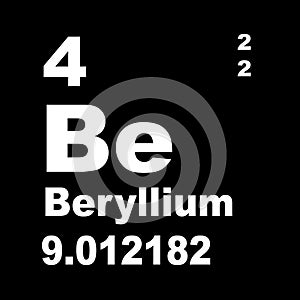
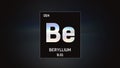
| Beryllium is a chemical element with symbol Be and atomic number 4. It is created through stellar nucleosynthesis and is a relatively rare element in the universe. It is a divalent element which occurs naturally only in combination with other elements in minerals. Notable gemstones which contain beryllium include beryl aquamarine, emerald and chrysoberyl. As a free element it is a steel-gray, strong, lightweight and brittle alkaline earth metal. |
||||||||||||||||||||||||||||||||||||||||
|
Stockphotos.ro (c) 2025. All stock photos are provided by Dreamstime and are copyrighted by their respective owners. |
||||||||||||||||||||||||||||||||||||||||