diminute

navigate by keyword : advent attire background bark black bloom blossom blue bright brown carrot celebrate celebration christmas closeup coat colorful cone cute dark december decoration diminute dressed euphorbia eyes fibon flora floral flower foliage foulard gifts gold golden green greetings hat holding holiday leaf leaves merry nature neutral new orange petals plant scarf seasonal snowman star traditional tree vivid winter wood wooden woodenpot xmas yellow

Cute worm Royalty Free Stock Photo
snail with shell. Vector file available Royalty Free Stock Photo
Girl worm Royalty Free Stock Photo
Unrecognizable man near huge windmill Royalty Free Stock Photo
Twin hotel room Royalty Free Stock Photo
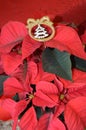
Red poinsettia flower with decorative golden snow tree Royalty Free Stock Photo
Red poinsettia flower leaf with shiny water droplet Royalty Free Stock Photo
Red poinsettia in flower wooden  bark pot and a snowman
Coiled wiring flower Royalty Free Stock Photo
Santa Claus Toys and Christmas tree Royalty Free Stock Photo
Green and red poinsettia flower leaf macro closeup Royalty Free Stock Photo
Red poinsettia flower leaf with water droplets Royalty Free Stock Photo
Red ladybug walks on yellow wild dandelion Royalty Free Stock Photo
Red ladybug walks on girl's fingers Royalty Free Stock Photo
Isometric view of a modern apartment, divided into four labeled zones: Living Zone, Royalty Free Stock Photo
Beautiful red poinsettia in flower pot made of wood bark next to a cute snowman dressed in brown attire holding a diminute tree. Neutral background. Euphorbia pulcherrima is a shrub or small tree, typically reaching a height of 0.6–4 metres (2–13 ft). The plant bears dark green dentate leaves that measure 7–16 centimetres (2.8–6.3 in) in length. The colored bracts—which are normally flaming red, with cultivars being orange, pale green, cream, pink, white, or marbled—are often mistaken for flower petals because of their groupings and colors, but are actually leaves.The colors of the bracts are created through photoperiodism, meaning that they require darkness (at least fourteen hours at a time for 6–8 weeks in a row) to change color. The plants also require abundant light during the day for the brightest color. The flowers of the poinsettia are unassuming and do not attract pollinators. They are grouped within the cyathia (small yellow structures found in the center of each leaf bunch, or false flowers).[10] Nothing is known about pollination in wild poinsettias, though wasps are noted to occasionally visit the cyathia. All flowers in the Euphorbiaceae are unisexual (either male or female only), and they are often very small in size. In Euphorbia, the flowers are reduced even more and then aggregated into an inflorescence or cluster of flowers


Stockphotos.ro (c) 2025. All stock photos are provided by Dreamstime and are copyrighted by their respective owners.