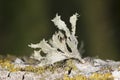
A flower, sometimes known as a bloom or blossom, is the reproductive structure found in flowering plants plants of the division Magnoliophyta, also called angiosperms. The biological function of a flower is to effect reproduction, usually by providing a mechanism for the union of sperm with eggs. Flowers may facilitate outcrossing fusion of sperm and eggs from different individuals in a population or allow selfing fusion of sperm and egg from the same flower. Some flowers produce diaspores without fertilization parthenocarpy. Flowers contain sporangia and are the site where gametophytes develop. Many flowers have evolved to be attractive to animals, so as to cause them to be s for the transfer of pollen. After fertilization, the ovary of the flower develops into fruit containing seeds. In addition to facilitating the reproduction of flowering plants, flowers have long been admired and used by humans to bring beauty to their environment, and also as objects of romance, ritual, religion, medicine and as a source of food. around 400-500 BCE, in the 15th century to the Philippines, and in the 16th century to Africa and Brazil by Portuguese explorers. The species was assessed and first named in botanical nomenclature by Linnaeus in 1753. Mango is the national fruit of India, Pakistan and the Philippines and the national tree of Bangladesh
|