commodified
|
||||||||||||||
|
|
|
|
||||||||||||
|
|
||||||||||||||


Stockphotos.ro (c) 2025. All stock photos are provided by Dreamstime and are copyrighted by their respective owners.
commodified |
||||||||||||||||||||||||||||||||||||||||
| navigate by keyword : 18th andreniformis asia bee beeapis beeorred bees beesof behavior cambodia cavity centuryapis colonies commodified countries defensive distribution dwarf first florea floreahave floreais foraging has honey identified importantpollinatorsand its itssister jambi klanceng large late like makes making mechanisms more morphology much nest nesters nests noiseapis numbers one open piping predation small southeastern southern speciesapis susceptible than thedwarf them therefore trigona twospeciesof unique which wider wildhoney workers |
||||||||||||||||||||||||||||||||||||||||
|
||||||||||||||||||||||||||||||||||||||||
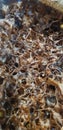
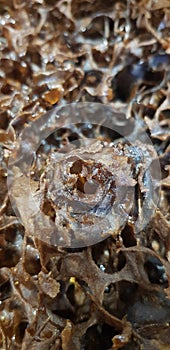
| Klanceng bee nest, The dwarf honey bee & x28;or red dwarf honey bee& x29;, Apis florea, is one of two species of small, wild honey bees of southern and southeastern Asia. It has a much wider distribution than its sister species, Apis andreniformis. First identified in the late 18th century, Apis florea is unique for its morphology, foraging behavior and defensive mechanisms like making a piping noise. Apis florea have open nests and small colonies, which makes them more susceptible to predation than cavity nesters with large numbers of defensive workers. These honey bees are important pollinators and therefore commodified in countries like Cambodia. |
||||||||||||||||||||||||||||||||||||||||
|
Stockphotos.ro (c) 2025. All stock photos are provided by Dreamstime and are copyrighted by their respective owners. |
||||||||||||||||||||||||||||||||||||||||