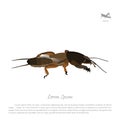
closeup view european mole cricket gryllotalpa
|
||||||||||||||
|
|
|
||||||||||||
|
||||||||||||||




Stockphotos.ro (c) 2026. All stock photos are provided by Dreamstime and are copyrighted by their respective owners.
closeup view european mole cricket gryllotalpa |
||||||||||||||||||||||||||||||||||||||||
| navigate by keyword : gryllotalpa european mole cricket insect ensifera orthoptera gryllotalpidae detail closeup focus macro education view environment garden nature natural animal farm farmland farmyard spring springtime sunlight food protein bokeh depth field observing |
||||||||||||||||||||||||||||||||||||||||
|
||||||||||||||||||||||||||||||||||||||||
| Closeup view of European mole cricket (Gryllotalpa gryllotalpa ). Its front limbs resemble a mole. An enemy of gardeners and plant root systems.The body length is about 50 millimetres in males and 70 millimetres in females. The cricket is dark brown with a silky shimmer and yellowish underside and is covered with fine velvety hairs. The forelegs are powerful and modified for digging. The elytra are half the length of the abdomen and the wings are transparent and netted with veins. They are folded into pleats and seldom used as the cricket normally remains below the ground. The males can be distinguished from the females by the open vein area in the forewing known as the 'harp' while the females lack the external ovipositor that is possessed by other crickets. |
||||||||||||||||||||||||||||||||||||||||
|
Stockphotos.ro (c) 2026. All stock photos are provided by Dreamstime and are copyrighted by their respective owners. |
||||||||||||||||||||||||||||||||||||||||