cirsium eriophorum woolly thistle plant
|
||||||||||||||
|
|
|
||||||||||||
|
||||||||||||||









Stockphotos.ro (c) 2026. All stock photos are provided by Dreamstime and are copyrighted by their respective owners.
cirsium eriophorum woolly thistle plant |
||||||||||||||||||||||||||||||||||||||||
| navigate by keyword : adaptation bloom botanic botany butterfly cactus cirsium color conservation countryside dispersal ecological ecology ecosystem edge environment eriophorum europe european field flora flower foliage food foraging grass grassland green growth habitat hairy hardy herb identification inflorescence insect landscape late leaf meadow morphology native natural nature nectar ornamental pasture petal plant pollen pollinator prairie prickly purple regeneration reproduction resilient root rural scenic season seed seedhead species spiny stem summer sunlight sustainable taxonomy texture thistle thorns vegetation water weed wildflower wildlife woodland woolly |
||||||||||||||||||||||||||||||||||||||||
|
||||||||||||||||||||||||||||||||||||||||
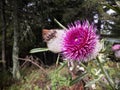
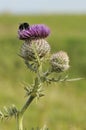
| Cirsium eriophorum, commonly known as woolly thistle, is a robust biennial plant native to Europe, often found in grasslands, meadows, and open woodland edges. It is characterized by its tall, spiny stems and large, purple flower heads surrounded by woolly, silver-gray hairs. The plant attracts pollinators such as bees and butterflies and serves as an important nectar source in late summer. Woolly thistle plays a role in supporting biodiversity within semi-natural habitats and adds distinctive texture and color to the landscape. |
||||||||||||||||||||||||||||||||||||||||
|
Stockphotos.ro (c) 2026. All stock photos are provided by Dreamstime and are copyrighted by their respective owners. |
||||||||||||||||||||||||||||||||||||||||