the circus maxentius rome italy

navigate by keyword : 19th 306 312 ancient appia appian architecture basilica buildings caecilia caracalla catacombs century circus complex culture emperor erected europe gate imposing italian italy known landmark late maxentius metella miles monument museum part republican roman rome ruin ruins san sebastiano second situated third tomb towers via villa way

Ruins of the Circus of Maxentius, Rome, Italy Royalty Free Stock Photo
The Circus of Maxentius in Rome, Italy Royalty Free Stock Photo
Ruins of the Circus of Maxentius in Rome Royalty Free Stock Photo
The Circus of Maxentius in Rome, Italy
The Circus of Maxentius in Rome, Italy Royalty Free Stock Photo
Ruins of the Circus of Maxentius in Rome Royalty Free Stock Photo
The Circus of Maxentius in Rome, Italy Royalty Free Stock Photo
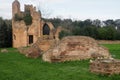
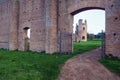
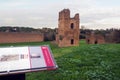
Towers of the Circus of Maxentius on the Appian Way in Rome, Italy. Known until the 19th century as the Circus of Caracalla it is part of a complex of buildings erected by emperor Maxentius around AD 306 and 312. The villa is situated between the second and third miles of the Via Appia near the basilica and catacombs of San Sebastiano and the imposing late republican tomb of Caecilia Metella, which dominates the hill that rises immediately to the east of the complex. The towers would have contained the mechanism for raising the carceres starting gates, which were positioned on the course between the towers. Once out of the gates, the chariots would race down the track, the full 503 meters 550 yd length of which can still be seen. The Circus itself is the best preserved in the area of Rome, and is second only in size to the Circus Maximus. The complex was probably never used after the death of Maxentius in AD 312. The modern-day visitor enters the circus from the west end, where the remains of the two still imposing towers are located. The archeological complex today can be visited, the admission is free.


Stockphotos.ro (c) 2025. All stock photos are provided by Dreamstime and are copyrighted by their respective owners.