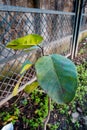
banyan young plant
|
||||||||||||||
|
|
|
||||||||||||
|
||||||||||||||




Stockphotos.ro (c) 2025. All stock photos are provided by Dreamstime and are copyrighted by their respective owners.
banyan young plant |
||||||||||||||||||||||||||||||||||||||||
| navigate by keyword : all also another banian banyan been begins benghalensis common crack crevice cycle denominate denominates edifice epiphyte ficus fig figs generalized germinates grows has host india indian its life name national often plant seed share specifically spelled subgenus systematically taxonomy that though tree urostigma used when which young |
||||||||||||||||||||||||||||||||||||||||
|
||||||||||||||||||||||||||||||||||||||||
| A banyan, also spelled `banian`,is a fig that begins its life as an epiphyte, i.e. a plant that grows on another plant, when its seed germinates in a crack or crevice of a host tree or edifice. `Banyan` often specifically denominates Ficus benghalensis the `Indian banyan`, which is the national tree of India, though the name has also been generalized to denominate all figs that share a common life cycle and used systematically in taxonomy to denominate the subgenus Urostigma. |
||||||||||||||||||||||||||||||||||||||||
|
Stockphotos.ro (c) 2025. All stock photos are provided by Dreamstime and are copyrighted by their respective owners. |
||||||||||||||||||||||||||||||||||||||||