balais
|
||||||||||||||
|
|
|
||||||||||||
|
||||||||||||||





Stockphotos.ro (c) 2025. All stock photos are provided by Dreamstime and are copyrighted by their respective owners.
balais |
||||||||||||||||||||||||||||||||||||||||
| navigate by keyword : amaracciole balais bast besenginster botanic botanica botanical botanique brava brewing culture cytisus ecology edible fabaceae fermentation fiber flower flowers genet giesta hardiness healthy infusion landscape landscaping material medicinal medicine natura natural naturalia nature negra ornemental permacultura permaculture plant based plants renewable resource retama scoparius scotchbroom shrub srubs sustainable tea wild |
||||||||||||||||||||||||||||||||||||||||
|
||||||||||||||||||||||||||||||||||||||||
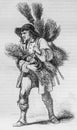
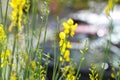
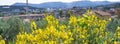
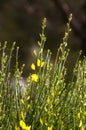
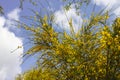
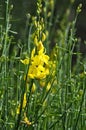
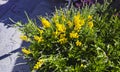
| Cytisus scoparius, or Scotch broom, has been used for making brooms and ropes, fiber-based products like cloth and paper, and as a condiment or coffee substitute. It is also valued in folk medicine for its diuretic properties and used to treat conditions like gout, though it contains toxic alkaloids and must be used with caution. Additionally, the plant is used ornamentally and for soil stabilization, and its flowers provide nectar for bees. |
||||||||||||||||||||||||||||||||||||||||
|
Stockphotos.ro (c) 2025. All stock photos are provided by Dreamstime and are copyrighted by their respective owners. |
||||||||||||||||||||||||||||||||||||||||